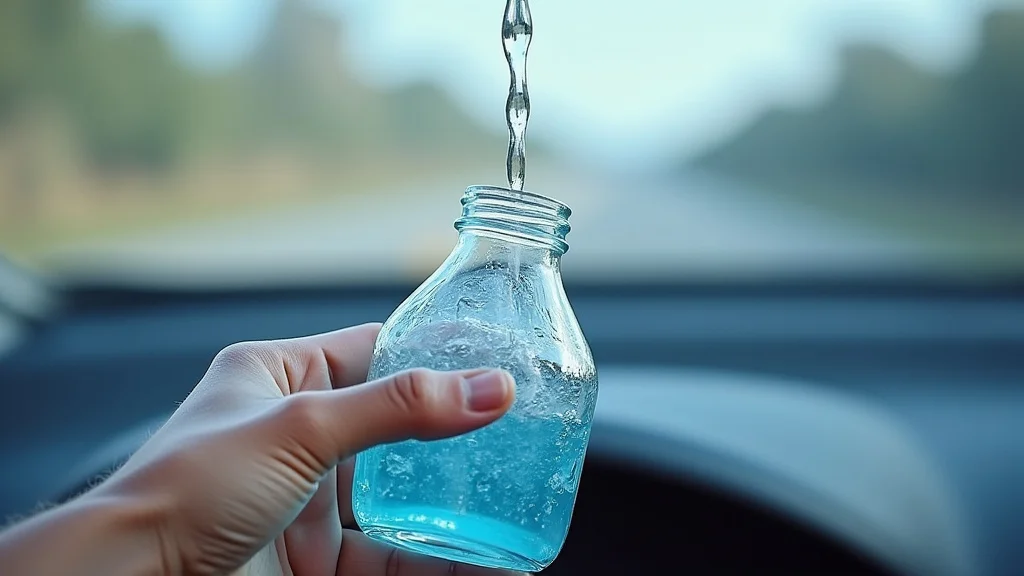
Ever been stuck behind a dusty truck on a rain-slicked road, only to find your windshield streaked and blurry? You reach for the windshield wiper control, and… nothing. Your washer fluid reservoir is bone dry. Sound familiar? We’ve all been there! Running out of windshield washer fluid is a common frustration, but what if you could easily make your own? This post will explore the process of how to make windshield washer fluid, providing you with everything you need to know. You’ll learn the ingredients, the process, and some valuable tips to keep your view clear and your driving safer, which will keep you coming back for more!
Simple Recipe: How to Make Windshield Washer Fluid
Creating your own windshield washer fluid is surprisingly simple, inexpensive, and a great way to be prepared for those unexpected moments when visibility is crucial. This section will guide you through a basic, effective recipe, providing detailed instructions and tips to ensure optimal performance. The best part? You probably already have most of the ingredients on hand. This process requires a few readily available ingredients, ensuring you can quickly mix a batch whenever needed.
Ingredients Needed to Make Washer Fluid
The beauty of making your own washer fluid is its simplicity. You don’t need exotic chemicals or specialized equipment. The following ingredients will get you started on the journey of how to make windshield washer fluid yourself. Keep it simple with things like isopropyl alcohol or vinegar and a bit of dish soap.
- Water: The base of your mixture. Use distilled water to prevent mineral buildup in your washer system. Tap water can be used if distilled water isn’t available, but it might lead to clogging over time.
- Isopropyl Alcohol (Rubbing Alcohol): This acts as a solvent and helps prevent freezing in colder temperatures. The concentration of alcohol will depend on the temperatures you expect to encounter.
- Dish Soap: A small amount of dish soap helps remove dirt, grime, and insects from your windshield. Choose a clear or lightly colored dish soap to avoid streaks.
- Optional: Blue Food Coloring: A few drops can help you identify your homemade fluid. It is purely aesthetic and doesn’t impact performance.
Remember that the quality of your ingredients directly impacts the effectiveness of your washer fluid. Using high-quality ingredients ensures a streak-free clean and protects your car’s washer system.
Step-by-Step Instructions: Mixing Your Own Fluid
Now that you have your ingredients ready, it is time to assemble your solution. This section details the step-by-step process, making it easy to create an effective and easy-to-use mixture. Following these steps ensures your fluid performs well and lasts for a good time.
- Gather Your Supplies: You’ll need a clean container or a measuring jug. A funnel can be helpful to avoid spills. Ensure all items are clean before you begin.
- Combine the Ingredients: The typical ratio is approximately as follows, though it may change based on the intended use. In a container, mix 1 part isopropyl alcohol with 1 part water. Add a few drops of dish soap. If desired, add a few drops of blue food coloring to the mix.
- Mix Thoroughly: Gently swirl or stir the mixture to ensure all ingredients are fully combined. Avoid vigorous shaking, as this can create excessive foam.
- Pour into the Washer Fluid Reservoir: Using a funnel, carefully pour the mixture into your car’s washer fluid reservoir.
- Test Your Washer: After filling the reservoir, activate your windshield washers and wipers to ensure the fluid is flowing correctly and cleaning your windshield effectively.
The exact ratio of ingredients can be adjusted based on the climate and your preferences. Feel free to experiment with different ratios to find the best mix for your conditions. You want it to be powerful, but not too powerful!
Advanced Techniques for Windshield Washer Fluid
While the basic recipe is effective, there are ways to enhance your homemade washer fluid for improved performance in specific conditions. From tailoring your solution for different weather conditions to exploring alternatives, this section provides additional insights and techniques. These advanced methods can help you create a windshield washer fluid that exceeds basic needs.
Adjusting for Temperature and Season
Temperature plays a key role in the performance of your windshield washer fluid. Freezing can render your washer system useless. Knowing how to adapt your fluid to different temperatures will ensure optimal performance year-round. These are some useful tips to consider when adjusting your mixtures.
- For Freezing Temperatures: Increase the proportion of isopropyl alcohol to lower the freezing point of the fluid. A higher concentration of alcohol is key in areas with harsh winters.
- In Mild Climates: You can decrease the amount of alcohol or eliminate it altogether. A simple mix of water and dish soap may be sufficient for a clean windshield.
- Check the Label: Commercial washer fluids often have different ratings. It can be useful to know your desired outcome and what those ratings mean when choosing the amount of ingredients.
- Consider Ethanol: Another option is to consider ethanol. However, using ethanol requires additional safety considerations, such as proper storage and handling.
Always adjust your formula to match current weather forecasts. If you expect a cold snap, err on the side of caution and use a higher alcohol concentration to prevent freezing. Remember to store your ingredients and finished product safely, away from extreme heat and open flames.
Exploring Alternatives and Additives
While isopropyl alcohol and dish soap are the staples, there are other ingredients you can incorporate to enhance your homemade fluid. This provides even more options when learning how to make windshield washer fluid. By exploring options, you can personalize the formula.
- Vinegar: White vinegar can be used as a substitute for isopropyl alcohol. It helps remove hard water spots. Make sure to use it in very small quantities.
- Ammonia: A tiny amount of ammonia can help cut through grease and grime. Use extreme caution, as ammonia is a strong chemical and can damage paint.
- Commercial Additives: Commercial additives like bug removers or water spot preventers can be added to your homemade mixture for added cleaning power.
- Professional Cleaners: There are professional cleaning supplies that can act as additional ingredients. While the price might be higher, they can be a useful choice.
Always test any new additive in a small, inconspicuous area of your windshield before applying it to the entire surface. This will ensure that the additive does not harm the glass or any surrounding components. Adding additives can add extra cleaning abilities.
Troubleshooting Common Issues With Washer Fluid
Sometimes, your homemade windshield washer fluid might not perform as expected. This section helps you diagnose and resolve common issues, from streaks to clogged nozzles. Learning how to troubleshoot and fix those problems can save time and money, and it will keep you informed of what you need to do.
Diagnosing and Fixing Streaking
Streaking is a common problem with windshield washer fluid. It can be caused by various factors, including the type of dish soap used, the amount of soap added, or the quality of the water. Here are a few troubleshooting tips:
- Change the Dish Soap: Try a different brand or type of dish soap. Clear or lightly colored dish soaps are generally better than those with dyes or heavy fragrances.
- Reduce the Soap: Use less dish soap. Overuse can leave streaks. A few drops are usually sufficient.
- Check Your Wipers: Worn or damaged wiper blades can cause streaks. Replace them if necessary. Clean your wipers regularly.
- Use Distilled Water: Hard water can leave mineral deposits that cause streaking. Use distilled water to prevent this.
Remember that the right mix of water and soap is essential. By following these steps, you should be able to keep your windshield free of streaks.
Addressing Clogged Nozzles
Clogged nozzles can be a real headache, especially when you need to quickly clear your windshield. Here is how you can unblock these nozzles. Following these steps can restore your washer fluid to its maximum potential.
- Check for Debris: Examine the nozzles for any visible debris, such as dirt or insects. You can use a needle or a thin wire to clear the blockage.
- Flush the System: Flush the entire washer system with clean water to dislodge any obstructions.
- Use a Nozzle Cleaner: Special nozzle cleaners are available that can effectively remove clogs.
- Check the Filter: The filter in your washer fluid reservoir might be clogged. Clean or replace it as necessary.
If you have persistent clogging issues, consider using a different formula or switching to commercially available washer fluid, which often contains additives that prevent clogs. Preventing clogs can make a massive difference.
Benefits of Homemade Windshield Washer Fluid
There are many advantages to making your own washer fluid, from cost savings to environmental benefits. This section explores these benefits. Learning the benefits can help you find out why it is better than store-bought solutions.
Cost Savings and Environmental Impact
Making your own windshield washer fluid can save you money and reduce your environmental footprint. Considering the cost and the environmental implications of store-bought alternatives makes homemade fluids an attractive option. This provides many economic and environmental benefits.
- Cost Effectiveness: Homemade fluid is significantly cheaper than commercial products. Ingredients like isopropyl alcohol and dish soap are often inexpensive.
- Reduce Plastic Waste: You can reduce your reliance on plastic bottles by making your own fluid. This minimizes your contribution to plastic waste.
- Control Over Ingredients: You can choose environmentally friendly ingredients. This is another way to ensure you are reducing your carbon footprint.
- Less Packaging Waste: Buying in bulk reduces your waste production, compared to purchasing multiple small bottles.
Making your own windshield washer fluid is a simple way to be more economical and environmentally conscious. The financial and environmental benefits make the process appealing.
Personalization and Performance
Beyond cost and environmental benefits, making your own fluid allows for personalization and can lead to improved performance. This is another perk for the person looking to make their own fluid.
- Tailor to Your Needs: You can customize your fluid to the specific climate and conditions you face, ensuring optimal performance.
- Additives: You have the flexibility to add specialized cleaning agents or additives to target specific issues, such as bug removal.
- Freshness: You always have fresh washer fluid, as you can mix a small batch as needed. This ensures optimal cleaning power.
- Avoiding Allergens: If you have sensitivities to certain ingredients, you can make a formula without them.
You have control over the final product when you create your own fluid. This makes it a great choice for the person who wants to customize the experience.
Frequently Asked Questions
Question: Can I use tap water to make windshield washer fluid?
Answer: While you can, it’s generally not recommended. Tap water contains minerals that can cause buildup and potentially clog your washer system. Distilled water is the better choice.
Question: What’s the best type of dish soap to use?
Answer: It’s best to use a clear or lightly colored dish soap to avoid streaks. Avoid soaps with heavy fragrances or dyes.
Question: Can I use antifreeze in my windshield washer fluid?
Answer: No, you should not use antifreeze in your windshield washer fluid. Antifreeze is toxic and can cause serious harm if ingested.
Question: How much alcohol should I use in my formula?
Answer: The amount of alcohol depends on the temperature. Use more alcohol in colder climates to prevent freezing. In milder climates, you can use less or even none.
Question: Can I store the homemade windshield washer fluid?
Answer: Yes, you can store it in a sealed container in a cool, dark place. However, it’s generally best to mix small batches as needed to ensure optimal cleaning power.
Final Thoughts
Now you know how to make windshield washer fluid. You are now equipped with the knowledge and the resources needed to create a simple, effective, and customizable solution for your vehicle. The process is easy, and the benefits extend beyond just a clean windshield. You can save money, reduce waste, and tailor the fluid to your specific needs and the climate you live in. You can now use your homemade washer fluid whenever you need it.
Making your own fluid is a rewarding and practical task. So, next time your windshield gets dirty, don’t rush to the store. Mix up a batch, fill your reservoir, and enjoy a clear, clean view of the road ahead. You can then say goodbye to streaks and hello to clear visibility, all while saving money and doing your part for the environment!
About the Author