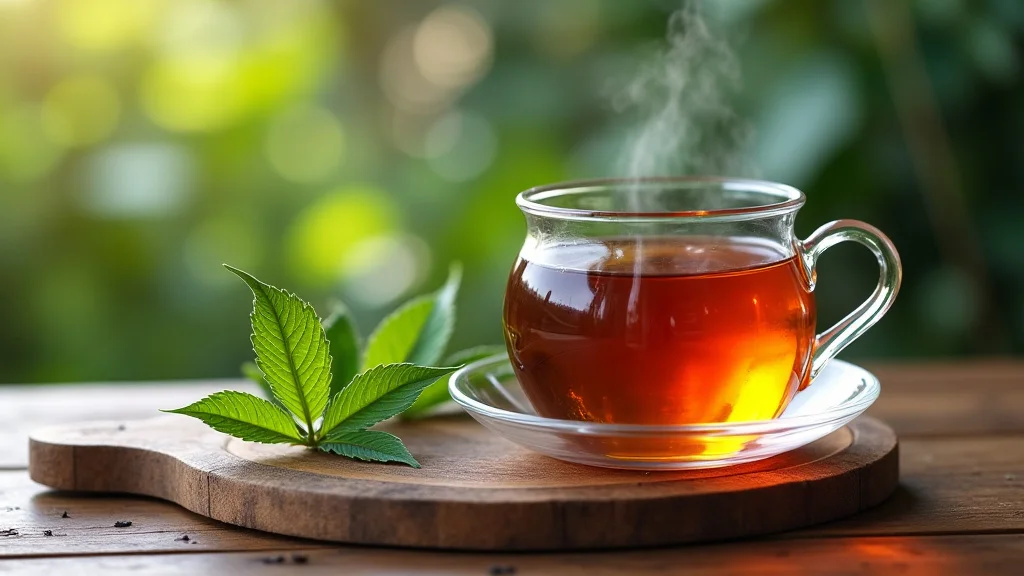
Picture this: you’ve had a long day, and all you want is to unwind. A warm, comforting cup of tea sounds perfect. Now, imagine enhancing that experience with the calming effects of tea weed. This blog post explores how to make tea weed in a simple, step-by-step manner. You will gain a clear understanding of the process, including safety measures and different methods. This knowledge will improve your understanding of the topic and provide you with actionable steps to follow. You will also learn about the different ways to enjoy tea with herbal ingredients, enhancing your overall experience and satisfaction.
The Basics of Making Tea Weed
Making tea with herbal ingredients involves several key steps. It’s about combining the right ingredients, understanding the correct dosages, and using the proper methods to extract the beneficial compounds. The goal is to create a pleasant and effective drink. Before you begin, it’s important to understand the legal status of herbal products in your area. Always familiarize yourself with local laws before preparing or consuming tea with active components.
Gathering Your Supplies
The first step is gathering your supplies. You’ll need dried herbal components. Quality is important; opt for trusted sources. You’ll also require a strainer or tea bags, and a kettle or pot for boiling water. A mug is essential, of course. Consider using a thermometer to monitor water temperature, as this can affect the flavor and potency of your tea. Have your supplies organized before you begin. The process is much easier and safer when you have everything ready to hand.
- Herbal Components: Source high-quality, dried ingredients from reputable suppliers. Consider different strains and varieties for different effects.
- Water: Use filtered or purified water for the best taste and purity. Avoid tap water, which can contain impurities that affect the tea’s flavor.
- A Kettle or Pot: Choose a kettle or pot that is clean. It needs to heat the water to the correct temperature.
- Strainers/Tea Bags: Use a fine-mesh strainer or tea bags to separate the plant material from the liquid.
- Mug: Pick a mug of your choice to enjoy your tea!
The water temperature is critical. Too hot, and you risk burning the plant material, leading to a bitter taste. Too cool, and you may not extract the full benefits of the herbs. A thermometer helps you regulate the heat. Experiment with different types of tea, such as black tea and green tea. This will also enhance your experience.
Preparing the Herbal Ingredients
Preparation of the herbal ingredients is essential. Before you start, check the quality of your components, ensuring that there is no mold. Once you’ve confirmed that your ingredients are safe, you’ll want to gently break them up if they are too large. This allows for better extraction of the active compounds. This step helps maximize the extraction of the beneficial compounds. By prepping your ingredients right, you enhance the efficiency of the brewing process.
- Grinding: Lightly grind or break up the dried herbs. Do not turn the herbs into a fine powder. This process increases the surface area exposed to hot water.
- Dosage: Start with a small amount of herb to understand its effects. You can always increase the dosage later. Always take the time to test your dosage.
- Combining Ingredients: Consider combining different herbal components for desired effects and flavor profiles. Mix ingredients.
Keep a record of your doses, so that you can find the right balance. Experimenting with ratios of different ingredients can lead to unique flavors and experiences. Understanding the effects of different ingredients helps to tailor your tea to your liking. Keep notes on the impact of each cup of tea. Doing so ensures you enjoy tea weed safely and comfortably.
Methods for Brewing Tea Weed
There are several methods for brewing tea with herbal components. Each method has its own advantages in terms of flavor extraction and ease of use. The choice of method depends on your preferences and the available equipment. Proper brewing methods ensure the best results. Each method influences the final tea product’s flavor profile and potency.
Infusion Method
The infusion method is a straightforward approach. It involves steeping the herbal components in hot water. This technique is similar to how you would make regular tea. The infusion method is easy for beginners. It’s a simple process that anyone can follow. The resulting tea has a balanced flavor. You will get a good extraction of all desired compounds.
- Heating the Water: Heat the water to just below boiling (around 200°F or 93°C).
- Steeping: Place your herbal components into a tea infuser or directly into the mug. Pour the hot water over the herbs, ensuring they are fully submerged. Steep for 5-10 minutes.
- Strain and Serve: Remove the infuser or strain the tea to remove the plant material. Enjoy your drink!
For a stronger brew, increase the steeping time. Longer steeping may extract more compounds. Using a tea infuser keeps the tea clean. The infusion method is perfect for beginners. The gentle heating helps maintain the beneficial properties. The flavor of the tea can be modified by adjusting the steeping time.
Decarboxylation Method
Decarboxylation is a step for preparing the plant material before brewing. This method involves heating the dried plant material at a low temperature for a set time. This process activates certain compounds, making them more effective. Always prioritize safety in this process. Use a reliable and accurate method for managing temperatures and timing.
- Prepare the Herbs: Grind the plant material into small pieces. Spread them evenly on a baking sheet.
- Bake: Preheat your oven to 240°F (115°C). Bake the herbs for 30-45 minutes. Watch to avoid burning.
- Cool and Brew: Allow the herbs to cool down. Use the decarboxylated material to make your tea.
Decarboxylation enhances the effects. Make sure to monitor the temperature and time closely. This method is important for maximizing the benefits. It’s crucial for the most effective results. After this step, proceed with the usual brewing process.
Tincture Method
The tincture method involves making a concentrated liquid. You can add the concentrated liquid to your tea. It uses alcohol or another solvent to extract the active compounds from the dried herbal material. This method offers a potent and convenient way to consume tea. The tincture method allows you to precisely control the dose.
- Soak the Herbs: Combine dried herbs with high-proof alcohol or another solvent in a jar.
- Macerate: Seal the jar. Store in a dark, cool place for several weeks, shaking it daily.
- Strain and Use: Strain the liquid through cheesecloth. Add a few drops of the tincture to your tea.
Tinctures are potent. Use with caution, starting with a small dose. Proper storage is key to maintaining quality. This method offers flexibility. Tinctures can be easily added to any beverage. The tincture method can create a more personalized tea experience.
Safety and Dosage Considerations
Safety is the most important part of preparing and enjoying tea with herbal components. It’s important to understand the potential effects and follow safe practices. Your health should always come first. Researching and understanding the effects of each component is vital. If you are new to making tea with herbal ingredients, you should follow the recommendations. This will reduce any chance of side effects.
Determining Dosage
Determining the correct dosage is a critical aspect. Start with a low dose and wait to see its effects. The ideal amount can vary based on individual tolerance. Individual reactions will change the dosage. Keeping a journal helps in keeping track of the effects and the amount consumed. This helps fine-tune your approach for future tea experiences.
- Start Low: Begin with a small amount of herb, such as 1/4 or 1/2 teaspoon.
- Wait: Allow at least an hour to feel the effects before consuming more.
- Adjust Gradually: Increase the dosage slowly until you find the right amount for your needs.
Factors such as body weight, metabolism, and tolerance impact dosage. Pay attention to how your body responds. This allows for the most comfortable and safe use. Careful monitoring is the key. You must always use the smallest amount possible for the desired outcome.
Potential Side Effects
Awareness of potential side effects is essential. Side effects vary from person to person. It is vital to recognize these effects. If you experience any adverse reactions, stop using the tea and consult a medical expert. Stay informed about the potential downsides. Knowing these side effects helps you stay safe.
- Anxiety: Some people may experience increased anxiety or paranoia.
- Drowsiness: Tea may cause drowsiness.
- Dizziness: You could feel lightheaded.
Be aware of any medications or health conditions that could interact with the herbal components. Always seek medical advice if you have concerns or experience any health issues. This knowledge helps you take appropriate actions. Monitoring your body is key to a positive experience.
Exploring Tea Weed Variations and Additions
You can adjust your experience by changing the recipe. Adding ingredients to enhance the taste and experience is fun. Experimenting with different ingredients will lead to new flavor profiles. Always add other components in moderation. The right choices can create a more enjoyable and effective experience. These will enhance your tea experience.
Flavor Enhancements
Adding ingredients to the tea will change the overall profile. Honey is a good choice for sweetness. Spices and citrus add to the drink. Adding these ingredients can create a more enjoyable experience. Enhancements can make the drink more palatable and enjoyable.
- Honey: Add honey or other natural sweeteners to enhance the tea’s taste.
- Lemon: Adding a slice of lemon can brighten the flavor.
- Spices: Add cinnamon or ginger for warmth.
Experimenting with different flavor combinations is fun. The right pairings will complement the base flavors of the tea. Consider using fresh ingredients. The flavor profiles are flexible and can enhance the experience.
Combining with Other Herbs
Combine with other herbal components for different effects. Chamomile or lavender can be added to your tea for added relaxation. Peppermint and ginger can also be added. Blending herbal components enables different health benefits. Be aware of the effects of each component. This enables you to control the experience.
- Chamomile: Chamomile can enhance relaxation.
- Lavender: Lavender adds a soothing effect.
- Peppermint: Peppermint adds a refreshing note.
Understand the properties of each herb. This ensures you know what you’re ingesting. Always research any new additions. The right choices can enhance the benefits.
Frequently Asked Questions
Question: How long does it take for tea weed to take effect?
Answer: The time it takes for tea weed to take effect can vary depending on several factors, including the brewing method used, the potency of the herbal material, the individual’s metabolism, and the amount consumed. Generally, you can expect to feel effects within 30 to 90 minutes. It’s always best to start with a small dose and wait to gauge your body’s reaction before consuming more.
Question: What’s the best method for making tea weed if I’m a beginner?
Answer: For beginners, the infusion method is generally the simplest and most accessible approach. This involves steeping your chosen herbal components in hot water for a set amount of time. You don’t need specialized equipment, and you can easily adjust the brewing strength to find your ideal balance. Just make sure the plant material is of high quality and that you’ve done your research.
Question: Can I reuse the herbal components?
Answer: Yes, you can reuse the herbal components in some cases, although the potency will decrease with each use. You can typically get a second, or even a third, cup of tea from the same material, but the effects will likely be milder. If you decide to reuse the components, make sure to steep them for a longer time to extract the remaining compounds.
Question: How should I store the tea weed to keep it fresh?
Answer: Proper storage is important to maintain the quality and potency of your tea. Store dried herbal material in an airtight container in a cool, dark, and dry place. Avoid exposure to light, heat, and humidity, as these factors can degrade the compounds over time. When stored correctly, the tea can retain its potency for several months.
Question: Are there any specific strains or types of herbal material that are better for tea?
Answer: The best strains or types for making tea are a matter of personal preference and desired effects. There is a wide variety of strains, each with its unique characteristics and properties. Research the different strains to find one that aligns with your goals. Always source your material from a reputable supplier to ensure the quality and safety of the product.
Final Thoughts
Making tea with herbal ingredients is a rewarding process, offering a way to create a personalized, relaxing experience. You’ve explored the basics of how to make tea weed, understanding methods like infusion, and the importance of dosage. By gathering the right supplies, preparing ingredients, and experimenting with variations, you can create a satisfying drink. Remember that safety is key, so always start with low doses and be aware of potential effects. Explore different flavors and combinations. Your experience will improve as you learn. Enjoy the journey of discovering the perfect cup.
About the Author