We’ve all been there – that searing moment when a scalding sip of coffee or a piping-hot slice of pizza meets your tongue. The immediate shock, followed by the dull ache, and the frustrating inability to enjoy the rest of your meal. It’s an experience everyone can relate to. This guide will provide you with practical and easy-to-follow steps on how to help a burnt tongue. By following these suggestions, you’ll find relief quickly and learn how to manage the discomfort. You will gain knowledge to soothe the burning sensation, speed up healing, and avoid further injury, improving your time on page and reducing bounce rate.
Recognizing the Burn and Assessing the Damage
The first step in knowing how to help a burnt tongue is to recognize the burn and assess its severity. Different types of burns cause various symptoms and require different approaches. A minor burn might cause slight redness and tenderness, while a more severe one can lead to blisters, significant pain, and even difficulty eating or speaking. Being able to identify the level of damage will help you take the most effective action.
Types of Tongue Burns
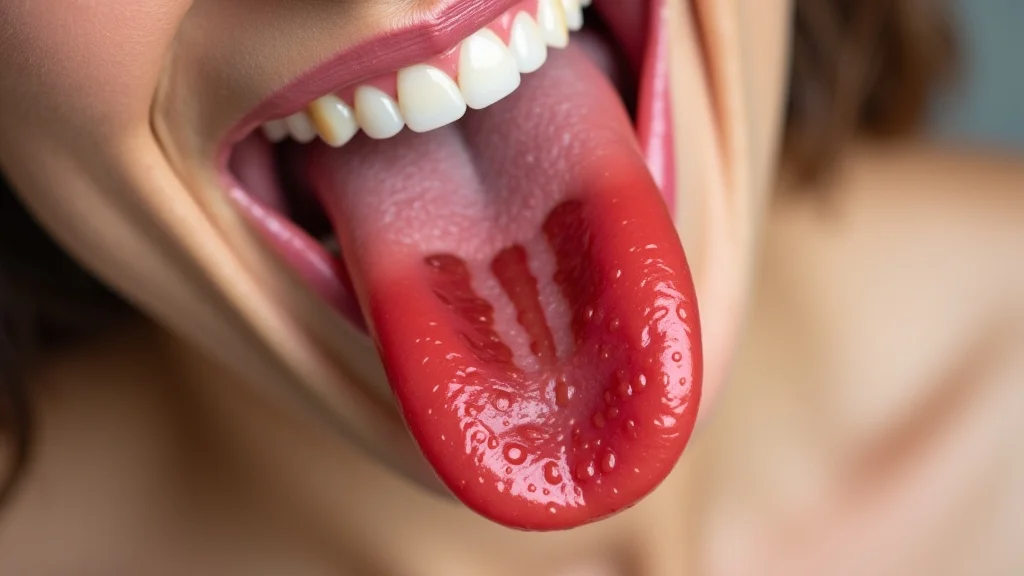
Tongue burns can be classified based on their severity. A first-degree burn affects only the outer layer of the tongue, causing redness and mild pain. A second-degree burn goes deeper, potentially creating blisters. Third-degree burns are rare from food but can damage the tissue extensively, turning the tongue white or charred. Each type requires a different care approach, from basic home remedies to medical attention. Knowing the signs of each type will ensure you know how to react appropriately.
- First-Degree Burns: These are the most common and usually heal within a few days. Symptoms include mild pain, redness, and a slight swelling. You may notice your taste is slightly off.
- Second-Degree Burns: These burns are more intense and can involve blisters. The pain will likely be more substantial, and the healing time is extended to several days or possibly a week or more.
- Third-Degree Burns: These are rare from food and cause severe damage. The tongue might appear white or charred. These burns require immediate medical attention.
Understanding the signs of each type of burn will ensure you can take the best actions to find relief.
Severity Assessment
Determining the severity of the burn is key to your plan. The level is determined by the depth of tissue damage. Look for the size of blisters, the level of pain, and your tongue’s color. If the pain is intense, if you can’t eat or drink normally, or if you see significant blistering or changes in tongue color, it’s wise to speak with a healthcare provider. A simple way to check the severity is to see how the burnt area feels. If it’s a first-degree burn, the area will be sensitive to touch, while second-degree burns may have blisters. A third-degree burn could make the area appear numb. Early assessment can also determine if there is a need for medical advice.
Immediate Relief and First Aid for a Burnt Tongue
Once you recognize you have a burnt tongue, taking immediate action can offer relief and lessen further damage. Several strategies can help lower the temperature and begin the healing process. These first-aid steps can be done easily at home. They will help you deal with the initial pain and reduce any future complications. Learning these actions means you can take care of yourself without waiting for a doctor’s visit, which is crucial for quick relief.
Cooling the Tongue
The first and most important step in providing relief to a burnt tongue is to cool it. This helps reduce the temperature of the damaged tissue, which in turn reduces pain and prevents further harm. Cooling can also reduce inflammation. Several options for doing this are readily available, making this a simple first aid step that you can take at once.
- Ice Chips or Cold Water: Sucking on ice chips or gently sipping ice water is a simple and effective method. The cold helps numb the nerves and relieve the burning sensation.
- Cold Beverages: Drinking cold beverages like milk or yogurt provides a cooling effect. These drinks also have properties that can soothe the tongue.
- Avoid Hot Foods/Drinks: It is crucial to avoid any hot food or beverages. Wait until your tongue is fully healed to enjoy them.
These actions can be easily implemented and offer immediate comfort.
Soothing Remedies
In addition to cooling, certain soothing remedies can offer relief and support the healing of the tongue. These treatments work by reducing inflammation, reducing pain, and creating a barrier to protect the damaged tissue. This leads to a faster recovery and less discomfort.
- Honey: A natural remedy, honey possesses anti-inflammatory and antibacterial properties. It helps to soothe the tongue and promote healing. Be sure not to give honey to children under one year of age.
- Aloe Vera: Aloe vera is famous for its soothing and healing qualities. You can apply aloe vera gel to the tongue, which provides instant relief.
- Salt Water Rinse: Rinsing your mouth gently with warm salt water can help clean the area. Salt has antibacterial qualities and promotes healing. Use a solution of about 1/4 teaspoon of salt in a cup of warm water.
These remedies are simple to use and offer natural healing and relief.
Foods and Drinks to Avoid and Foods to Eat
What you consume following a burn can significantly impact your recovery. Certain foods and drinks can irritate the tongue and slow down the healing process. Selecting the correct foods will prevent further harm and promote healing. This will also make the recovery period more tolerable.
Foods and Drinks to Avoid
After burning your tongue, some foods and beverages can cause extra irritation and prolong your discomfort. They can make the healing process harder. These should be avoided until the tongue has recovered.
- Hot or Spicy Foods: Spicy foods will cause irritation and burning. Stay away from any spicy ingredients until you heal.
- Acidic Foods: Acidic foods such as citrus fruits and juices can irritate the raw tissue.
- Alcohol: Alcohol can increase inflammation and dry out the mouth.
- Foods with Rough Textures: Foods with rough textures, like crackers or chips, can scrape the tongue and slow healing.
Avoiding these types of foods will help you stay comfortable while healing.
Foods to Eat
Certain foods can soothe and support healing. They will protect the sensitive tissues and provide nutrients. These foods help make your recovery more comfortable and ensure that your tongue recovers quickly. It’s smart to focus on these as part of your diet plan.
- Soft, Cool Foods: Opt for soft and cool foods like yogurt, ice cream, smoothies, and mashed potatoes. These will not irritate the damaged area.
- Bland Foods: Choose bland foods such as cooked pasta or oatmeal. These do not have ingredients that may irritate the tongue.
- Foods High in Vitamins: Choose foods rich in vitamins and minerals, which promote healing. Examples include fruits and vegetables.
Choosing the right foods is key to your recovery.
Medical Treatments and When to Seek Help
While most tongue burns can be treated with home remedies, some situations need medical attention. Knowing when to seek professional help and the treatments available can make the difference. Early intervention can prevent infections and complications, helping to ensure your well-being. Knowing the warning signs that need medical advice will help you make the right choices for your health.
When to Seek Medical Assistance
Sometimes, a burnt tongue needs medical care. This may be due to the severity of the burn or the development of complications. Seeking help in the right situations can help prevent issues. If you observe any of the following symptoms, it’s best to consult a healthcare professional.
- Severe Pain: If you experience severe pain that does not improve with home treatments, it might indicate a more serious injury.
- Blisters: Large or multiple blisters could signal a deeper burn that needs professional care to avoid infection.
- Difficulty Breathing or Swallowing: If you have any trouble breathing or swallowing, seek immediate medical care.
- Signs of Infection: Signs of infection include increased pain, pus, fever, or swelling.
Knowing when to seek medical help will help keep you safe and healthy.
Medical Treatments
If you see a doctor, they can suggest different treatments. The choices will depend on the severity of the burn and the presence of any problems. These may include prescriptions or additional care to promote healing and reduce the risk of any complications. The doctor can assess the extent of the damage, prescribe medication, or offer additional treatments as needed.
- Pain Relievers: Your doctor might prescribe pain relief medication to reduce discomfort.
- Topical Treatments: Your doctor may suggest topical medications to soothe the burned area, possibly containing antibiotics to prevent infection.
- Follow-Up Care: If the burn is serious, you may need follow-up appointments.
Following any instructions provided by your healthcare provider ensures a safe and complete recovery.
Preventing Future Tongue Burns
The best way to manage a burnt tongue is to prevent it from happening. Practicing safety measures in your daily habits can greatly reduce the chances of future burns. Learning safe eating practices will help you avoid the discomfort of a burnt tongue. These measures will become second nature, keeping you safe without you having to think twice.
Safe Eating Habits
Adopting safe eating habits is vital for preventing tongue burns. Eating slowly, checking the temperature of foods, and other simple actions can help you avoid these injuries.
- Test Food Temperature: Always check the temperature of your food before eating. Test a small amount first.
- Eat Slowly: Eating slowly lets you feel the temperature of your food.
- Be Cautious with Microwaved Foods: Microwaves can heat foods unevenly. Stir foods after microwaving and let them sit for a moment to distribute the heat.
- Use a Spoon for Hot Liquids: Use a spoon instead of drinking directly from a cup when drinking hot liquids.
These practices may seem small, but they will help reduce your risk of tongue burns.
General Safety Measures
Taking a few extra precautions while cooking, preparing food, and drinking hot beverages can lower your risk. These safety measures, when integrated into your daily habits, create a safe eating environment, preventing future tongue burns and potential health complications.
- Be Careful with Hot Liquids: Handle hot beverages and soups with care.
- Supervise Children: Keep hot foods and liquids out of reach of small children.
- Use Protective Gear When Cooking: Always wear oven mitts to protect yourself from steam or hot splashes.
Following these safety measures will lower your chances of having a burnt tongue.
Frequently Asked Questions
Question: How long does it take for a burnt tongue to heal?
Answer: Mild burns usually heal within a few days to a week. Severe burns may take longer, up to several weeks, depending on the severity and care.
Question: Can I use toothpaste on a burnt tongue?
Answer: It is generally not recommended to use toothpaste on a burnt tongue. Toothpaste might contain ingredients that can cause more irritation.
Question: Are there any foods that can speed up healing?
Answer: Foods like yogurt and smoothies can help because they are soothing and soft. They also provide nutrients that can aid the healing process.
Question: What if my tongue burn has blisters?
Answer: Blisters may indicate a second-degree burn. It’s wise to contact a doctor, as you may need professional care.
Question: Is it safe to eat spicy food after a tongue burn has healed?
Answer: You can reintroduce spicy foods slowly. Begin with small amounts and see how your tongue reacts. It’s wise to go slowly.
Final Thoughts
Dealing with a burnt tongue can be uncomfortable, but with the right steps, you can find relief and support the healing process. From immediate cooling to choosing the right foods, each measure plays a key role. Remember that swift action is vital – reach for cold water or ice chips at the first sign of a burn. Choosing soft, bland foods and steering clear of irritants is essential for a quicker recovery. While most burns can be treated at home, knowing when to seek medical help is key to preventing complications. Implementing safe eating habits will prevent future burns and maintain a healthy and comfortable mouth. By following these suggestions, you’ll be well-prepared to manage and heal a burnt tongue. With a little care and attention, you can get back to enjoying your food and drinks without discomfort. Don’t hesitate to seek advice if you need it. By taking care of your tongue, you’ll feel better, faster.
About the Author