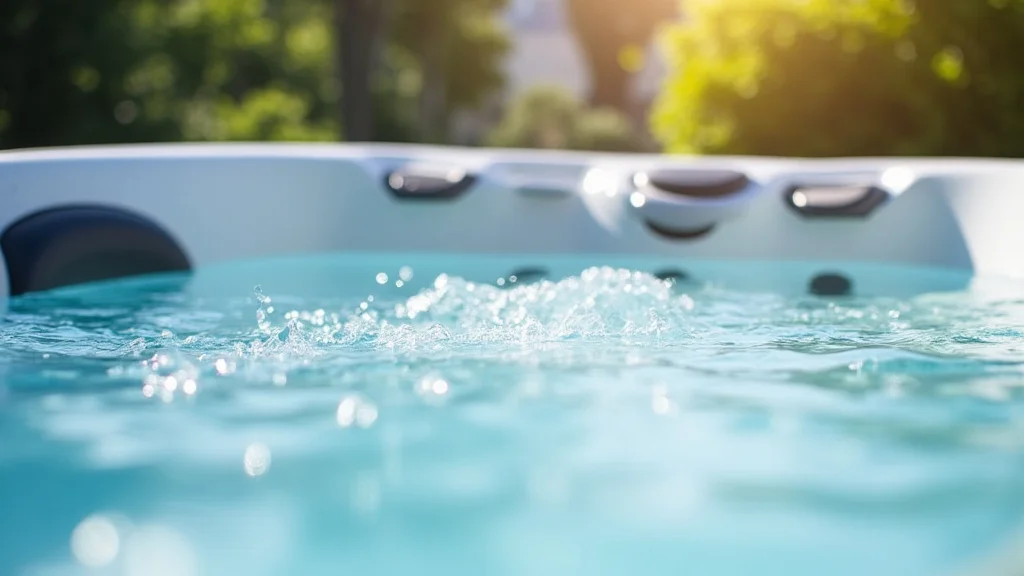
Picture this: you’ve planned a relaxing evening, ready to sink into your hot tub. You open the cover, ready for some warmth, but the water looks cloudy and smells a bit…off. A quick test reveals the culprit – imbalanced water, specifically high pH. Don’t worry; this happens! Finding out how to lower pH in hot tub water is a simple fix, and this guide will show you exactly how. You’ll learn the science behind water balance, the tools you’ll need, and the steps to get your spa sparkling. By the end, you’ll be confident in maintaining perfect water conditions, improving your relaxation time and making the most of your investment. This post will give you clear, actionable steps, increasing your Time on Page and reducing Bounce Rate.
What is pH and Why Does It Matter for Hot Tubs?
The pH level of your hot tub water is a measure of how acidic or basic the water is. It’s a fundamental aspect of water chemistry, influencing everything from the effectiveness of your sanitizers to the comfort of your soak. Maintaining the correct pH level is essential for a clean, safe, and enjoyable hot tub experience. An incorrect pH can lead to a host of problems, ruining your relaxing time. The recommended pH range for hot tub water is generally between 7.2 and 7.8.
The pH Scale Explained
The pH scale ranges from 0 to 14. A pH of 7 is considered neutral. Anything below 7 is acidic, and anything above 7 is basic (also known as alkaline). Hot tub water needs to be slightly basic to be safe and effective. Testing the water regularly is crucial to keep the pH within the ideal range. This ensures your sanitizer, like chlorine or bromine, works properly and keeps the water clean from bacteria and algae.
- Acidic Water (pH below 7.2): This can cause corrosion of hot tub equipment, irritate your skin and eyes, and reduce the effectiveness of your sanitizer.
- Neutral Water (pH of 7): While technically neutral, this isn’t the best for a hot tub. Sanitizers don’t work as well at this level.
- Basic Water (pH above 7.8): This can lead to scale formation (cloudy water and mineral buildup), reduce sanitizer effectiveness, and irritate your skin and eyes.
The Importance of Balanced Water Chemistry
Beyond pH, several other factors contribute to balanced water chemistry. These include alkalinity, calcium hardness, and sanitizer levels. When all these elements are in balance, your hot tub water is clear, your sanitizer works efficiently, and your equipment is protected from damage. Imbalances in any of these areas can cause problems, leading to a frustrating hot tub experience. Proper water balance prolongs the life of your hot tub and its components.
Proper water balance also contributes to a more comfortable soaking experience. Water that is out of balance can cause skin irritation, itchy eyes, and even respiratory issues. Keeping your water balanced ensures a pleasant and relaxing experience.
Tools and Supplies for Lowering pH
Before you begin the process of lowering the pH in your hot tub, you’ll need a few essential tools and supplies. Having these on hand makes the process smoother and more efficient. Fortunately, the equipment is readily available and not too costly. Knowing what you need upfront ensures you’re prepared to handle any pH imbalances effectively.
Essential Testing Kit
A reliable testing kit is the most important tool you’ll need. There are several types available, each offering a way to accurately measure your water’s pH. A test kit is a must-have for properly addressing how to lower pH in hot tub. Without it, you are only guessing. Liquid test kits use drops of reagents to change the water’s color, which is then compared to a color chart to determine the pH level. Test strips are another option; you dip the strip into the water, and the color change indicates the pH. Digital testers offer precise readings, often with a digital display, and are a great investment for accuracy. Regardless of which you select, a reliable testing kit is your starting point.
pH Reducer (pH Minus)
The primary chemical used to lower the pH in hot tub water is pH reducer, also known as pH minus. This product typically contains sodium bisulfate or sodium bisulphate, a dry acid that effectively decreases the pH. It is available in granular or liquid form. The granular form is usually preferred as it’s easier to measure and handle. When adding a pH reducer, it’s very important to follow the product’s instructions carefully. This ensures you add the right amount to safely and effectively lower the pH without creating other issues. Overuse can cause the pH to drop too far, making the water acidic.
Measuring Tools
You’ll need a clean container, like a bucket, for mixing the pH reducer with water before adding it to your hot tub. Using a measuring cup or scale, you can measure the correct amount of pH reducer. Always keep a measuring cup and gloves handy to prevent any skin contact with the chemicals. Using a measuring cup also prevents pouring too much product into your hot tub. This makes it easier to measure the right amount needed, ensuring you don’t over-correct the pH.
Other Useful Supplies
Here are some other things that are helpful for lowering pH in your hot tub.
- Gloves and Eye Protection: Always wear protective gloves and eye protection when handling chemicals. This keeps you safe from potential splashes or spills that could cause irritation.
- Clean Bucket and Mixing Utensil: A clean bucket for mixing chemicals and a separate utensil is very useful to avoid contamination.
- Water Source: Have a readily available water source, like a garden hose, to refill your hot tub if needed.
- Proper Storage: Keep all chemicals stored safely, out of reach of children and pets, and away from extreme temperatures.
Step-by-Step Guide: How to Lower pH in Your Hot Tub
Lowering the pH in your hot tub is a manageable process. Taking these steps will help you achieve the correct balance. Remember to always follow the specific instructions on the pH reducer you’re using. This guide provides a general approach, but product instructions can vary.
Step 1: Test Your Water
Before adding anything to your hot tub, test the water using your test kit. Record the pH level reading. This reading will tell you how much pH reducer you need to add. Always test your water before adding any chemicals to avoid guesswork. If the pH is consistently out of range, consider the potential for other imbalances, like high alkalinity, which can cause the pH to rise.
Step 2: Calculate the Correct Dosage
Based on your test results and the product instructions, determine the correct amount of pH reducer to add. Start by checking the recommended dosage on your pH reducer product label. It typically gives instructions based on the volume of water in your hot tub. Most hot tubs have a sticker that tells you the water capacity in gallons or liters. Make a note of this number. You might need to make small adjustments to get the pH into the ideal range.
For example, if the product states that one ounce of pH reducer lowers the pH by a certain amount in a 500-gallon hot tub, you’ll need to calculate how much you need based on your tub’s size. Usually, this is done with a formula or a chart. It’s often better to start with a little less than the calculated amount, test again after a few hours, and add more if needed. Always error on the side of adding less product.
Step 3: Prepare the Solution
Never pour chemicals directly into your hot tub without diluting them first. Usually, you’ll mix the pH reducer with a bucket of water. Always add the chemical to the water, not the other way around, to prevent splashing and potential hazards. Following the product directions will tell you the recommended amount of water to use for dilution. Use a clean bucket and mixing utensil to ensure you don’t contaminate the chemical or the hot tub water.
Step 4: Add the Solution to Your Hot Tub
With the pump running, slowly pour the diluted pH reducer solution into the hot tub water. Pour the solution near the jets to help it mix properly. This ensures that the chemical disperses evenly throughout the water. Letting the pump run will help circulate the chemical, mixing it with the water, giving it time to do its job. Turn off the jets after the solution is added and then let the water circulate for at least 30 minutes to an hour. You want to make sure the chemicals are fully mixed throughout the hot tub.
Step 5: Retest and Adjust
After letting the water circulate, retest the water’s pH level. Compare the new reading to the target range (7.2-7.8). If the pH is still too high, repeat the process. Calculate the new dosage, prepare the solution, and add it to the water. Retesting is critical because it tells you if the adjustment worked. Small, incremental adjustments are better than adding too much pH reducer all at once. If the pH is too low, you may need to add a pH increaser or aerate the water to raise the pH. Always allow sufficient time between chemical additions and water tests.
Here are a few scenarios:
- Initial Test: pH is 8.2. You add the calculated amount of pH reducer. After circulating for an hour, you retest, and the pH is 7.9. You then add a smaller amount of the solution again, retesting the pH after another hour.
- Initial Test: pH is 7.5. You add a small amount of pH increaser to see if it will raise the pH slightly.
- Initial Test: pH is 8.0, and alkalinity is high. You should also lower the alkalinity.
Potential Issues and Troubleshooting
Even with careful attention, problems can arise. Understanding common issues and how to resolve them will help you maintain your hot tub’s water quality effectively. Sometimes, lowering the pH isn’t a one-and-done process. The water can shift again, due to factors such as bather load, the weather, and the use of other chemicals. Learning how to troubleshoot will save you time, money, and frustration.
pH Keeps Rising
If the pH keeps rising even after you’ve lowered it, there might be other issues at play. This usually comes down to high total alkalinity. Total alkalinity acts as a buffer, and when it is too high, it can cause the pH to climb. Testing the alkalinity level and adjusting it is a good first step. Using too much of certain chemicals can also raise pH.
- High Alkalinity: Reduce alkalinity using a product specifically designed for that purpose. This will help stabilize the pH.
- Overuse of Chemicals: Be mindful of the chemicals you add to your hot tub and how they might affect the water balance.
- Aeration: Excessive aeration from jets or a waterfall feature can sometimes increase pH.
Water is Cloudy After Adding pH Reducer
If your water gets cloudy after adding pH reducer, it could be due to a few reasons. Cloudy water can indicate that something else is wrong. Cloudy water can be caused by using too much pH reducer, a sudden change in the water balance, or other contaminants already present in the water. Try to understand the root cause. This helps to resolve the issue more effectively.
- Improper Dosage: Adding too much pH reducer can cause cloudiness. Always follow the product instructions carefully.
- Other Contaminants: Cloudiness could also be due to other contaminants or an existing imbalance in the water.
- Filtration Issues: Check your filter to ensure it’s clean and functioning properly.
Skin and Eye Irritation
Skin and eye irritation can be a sign of imbalanced water chemistry. Even after adjusting the pH, if irritation persists, investigate other factors. While the pH might be within the ideal range, other factors like high sanitizer levels or other contaminants can lead to irritation. Keep the pH in the correct range, but also monitor other water balance factors.
- Check Sanitizer Levels: Make sure your sanitizer levels (chlorine or bromine) are within the recommended range.
- Test for Other Contaminants: Test for other potential contaminants that could be causing irritation.
- Flush the System: Consider doing a drain and refill to flush the system and remove potential irritants.
According to the Association of Pool & Spa Professionals, properly balanced water chemistry prevents up to 90% of common hot tub water problems.
| Issue | Possible Cause | Solution |
|---|---|---|
| pH Keeps Rising | High Total Alkalinity | Lower Total Alkalinity |
| Cloudy Water | Overuse of pH Reducer, Contaminants | Adjust Dosage, Test for Contaminants |
| Skin/Eye Irritation | High Sanitizer Levels, Contaminants | Check Sanitizer Levels, Test for Contaminants |
Frequently Asked Questions
Question: How often should I test my hot tub water?
Answer: It’s best to test your hot tub water at least twice a week. You should also test it more frequently after heavy use or when adding chemicals.
Question: What is the ideal pH range for a hot tub?
Answer: The ideal pH range is generally between 7.2 and 7.8. Keeping the pH within this range ensures the sanitizer works correctly, and the water is comfortable for users.
Question: Can I add pH reducer directly to the hot tub water?
Answer: No, it is not recommended to pour pH reducer directly into the hot tub water. Always dilute it in a bucket of water first to ensure even distribution and prevent any potential damage to your hot tub components.
Question: How long should I wait after adding pH reducer before testing the water again?
Answer: Wait at least 30 minutes to an hour after adding pH reducer to allow the chemicals to mix thoroughly with the water before testing again.
Question: Besides pH, what other water parameters should I monitor?
Answer: In addition to pH, monitor the levels of alkalinity, calcium hardness, and sanitizer (chlorine or bromine) to maintain a balanced and healthy hot tub environment.
Final Thoughts
Mastering how to lower pH in hot tub water doesn’t have to be a chore. With the correct tools and knowledge, maintaining balanced water chemistry is achievable and even rewarding. Remember to test your water regularly, add chemicals carefully, and always follow product instructions. Don’t hesitate to adjust your steps based on your specific situation, and take time to understand how various factors affect your hot tub. A well-maintained hot tub not only offers a relaxing escape but also protects your investment. By following this guide, you can enjoy clear, clean, and comfortable water every time you take a dip.
About the Author