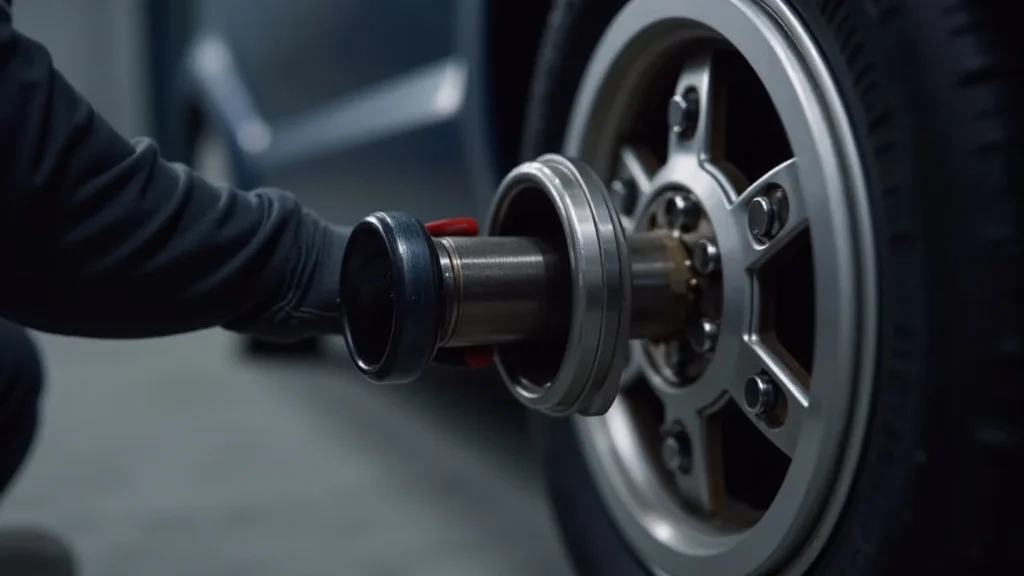
Picture this: you’re cruising down the road, windows down, enjoying the scenery, when suddenly, a low, rumbling noise starts emanating from your car. It grows louder with speed, almost like a distant airplane. You might be experiencing the effects of a failing wheel bearing. Knowing how to know if wheel bearing is bad can save you a lot of headaches and money down the line. This guide will walk you through the telltale signs, helping you identify and address the issue before it escalates. You’ll gain valuable knowledge that will help you diagnose potential problems and keep your vehicle running smoothly, ultimately improving your driving experience and saving you money.
Identifying Potential Issues With Your Vehicle
A failing wheel bearing can manifest in several ways, each providing a clue about its condition. The symptoms often worsen as the bearing deteriorates further. Early detection is important, as ignoring the issue can lead to more serious, and costly, repairs. Being aware of the early indicators is critical for vehicle maintenance and preventing potential safety hazards. The earlier the issue is addressed, the better it is for the car and your wallet. Let’s explore the key indicators you should watch for, helping you to identify and address the issue effectively.
Unusual Noises
One of the most common and noticeable signs of a bad wheel bearing is an unusual noise. Initially, this might sound like a low hum or rumble, similar to the sound of tires on rough pavement. As the bearing continues to wear, the noise often increases in volume and becomes more noticeable, especially at higher speeds. The sound may also change when turning the steering wheel, indicating which wheel bearing is affected. The type of noise, its characteristics, and how it varies with speed and turning are key clues for diagnosis.
- Rumbling or Grinding: This is the most prevalent symptom. It typically gets worse as the vehicle’s speed increases.
- Whining or Squealing: This sound, often heard at higher speeds, can signal friction within the bearing.
- Clunking Sounds: This symptom can occur when the bearing has severely deteriorated, and indicates substantial damage.
- Noise Changes When Turning: The sound might intensify when turning the steering wheel, making it easier to pinpoint which wheel bearing is at fault.
For example, imagine driving on the highway and hearing a constant, low-pitched drone coming from the front right wheel. The sound increases proportionally with your speed. When you gently turn right, the noise remains unchanged, but when you turn left, the drone grows louder. This points towards a likely problem with the front-right wheel bearing. It is important to pay attention to these changes to diagnose and repair it before it turns into a larger issue.
Vibrations in the Steering Wheel
Another sign of a failing wheel bearing is vibrations felt through the steering wheel. Although these vibrations might initially be subtle, they can intensify as the bearing deteriorates. The severity of the vibration is often tied to the speed of the vehicle. These vibrations can be a result of the worn wheel bearing that creates the issue. It’s important to pay attention to these subtle changes.
- Subtle Shaking: Initially, the vibration might be barely noticeable at lower speeds.
- Increased Intensity: As the speed increases, the vibrations often become more pronounced, making it more difficult to control the vehicle.
- Unbalanced Feeling: The vehicle might feel unstable, particularly during turns or when traveling on uneven roads.
- Steering Pull: A bad bearing can sometimes cause the steering wheel to pull to one side, especially under acceleration or braking.
For instance, let’s say you’re driving on a smooth road, and at speeds above 45 mph, you feel a consistent shaking in the steering wheel. This is more noticeable when the road is uneven. This shaking, combined with other symptoms, strongly suggests that a wheel bearing has issues. If this is ignored, it might cause more issues later on. Early diagnosis can prevent expensive repairs in the long run.
Uneven Tire Wear
A faulty wheel bearing can cause uneven tire wear. When the wheel bearing isn’t functioning properly, it can cause the wheel to wobble. The wobbling can lead to the tire wearing down irregularly. Addressing a failing wheel bearing early can preserve tire life and enhance vehicle stability. This will prevent needing to replace tires before their scheduled replacement time.
- Cupping: This is a pattern where the tire tread wears down unevenly, creating dips or cups.
- Feathering: The tread edges might wear down at an angle, creating a feather-like appearance.
- Increased Wear on One Side: One side of the tire might wear down more quickly than the other.
- Spotty Wear: Irregular wear patterns may appear across the tire’s surface.
Consider a scenario where you’ve noticed that your car’s tires need to be
More Signs of Wheel Bearing Issues
Beyond the primary signs such as noise, vibration, and tire wear, other indicators can signal wheel bearing issues. These signals can provide further information about the condition of the wheel bearing. Paying close attention to these additional signs can help in confirming a diagnosis and determining the severity of the problem. Careful observation of these additional indicators can provide valuable insight into the health of your vehicle’s wheel bearings.
Excessive Play in the Wheel
One of the more advanced signs of a failing wheel bearing is excessive play in the wheel. You can check for this by jacking up the vehicle and grasping the top and bottom of the tire, then trying to rock it back and forth. If there’s movement, it suggests a problem. The amount of play can show the severity of the bearing’s wear. The more play you feel, the more serious the issue. If you find excessive play, it is essential to have the wheel bearing inspected as soon as possible.
- Jack Up the Vehicle: Safely lift the vehicle using a jack and ensure it is supported by jack stands.
- Grasp the Tire: Hold the tire at the top and bottom.
- Rock the Tire: Try to rock the tire back and forth, feeling for any movement.
- Check for Clunking: Listen for any clunking sounds, which can indicate a damaged bearing.
Imagine you’re inspecting your car’s wheels and, when you shake them, you feel a significant amount of give. This movement is not normal. A healthy wheel will not have any movement when you grasp it at the top and bottom and try to rock it. The presence of play suggests that the wheel bearing is worn. This is a critical indicator of a failing wheel bearing that needs immediate attention.
Reduced Fuel Efficiency
A failing wheel bearing might lead to reduced fuel efficiency. As a wheel bearing degrades, it increases friction, which forces the engine to work harder. This increased effort translates into higher fuel consumption. Even a slight increase in friction can have an effect, making it important to address the problem quickly. Monitoring fuel consumption might help you identify potential problems early on. A well-maintained vehicle not only performs better but also provides you with greater cost savings.
- Increased Friction: The extra friction will require more energy to turn the wheels.
- Higher Engine Load: The engine must work harder, causing an increase in fuel consumption.
- Subtle Changes: The decrease in fuel economy might start out gradual, making it important to monitor your vehicle.
- Comparison is Key: Compare recent fuel economy with past figures to spot any significant changes.
Suppose you’ve noticed your car’s fuel consumption has increased over the past few weeks, without a change in driving habits. While other factors could be at play, a worn wheel bearing could be contributing to the problem. The bearing adds friction, which makes the engine work harder, using more fuel. By addressing the potential problem with the wheel bearing early on, you can restore your car’s fuel economy.
Wheel Bearing Temperature
A wheel bearing generates heat when it functions. As a wheel bearing fails, the temperature may increase significantly, often noticeable by touch. This excessive heat may also damage other components of the wheel assembly. By checking the wheel bearing temperature, you can gain insight into its condition. Be cautious when touching the wheel after driving, as excessive heat indicates a potential issue that needs to be checked.
- Heat Buildup: A failing wheel bearing can produce more heat than a properly functioning one.
- Checking the Wheel: You can feel the hub or wheel after driving, being careful not to touch them right after driving due to their potential heat.
- Temperature Differences: Compare the temperatures of different wheels. If one is significantly hotter, it could be a sign of bearing problems.
- Caution: Exercise caution when touching the wheel to prevent burns. If it is too hot to touch, have the car checked.
Imagine you have just finished a drive and park your car. Upon feeling the wheels, you discover that one is noticeably hotter than the others. This heat buildup can indicate that the wheel bearing on that wheel is not functioning. This should be a reason to inspect the bearings and find the root of the problem. Taking action quickly can save you from having a bigger issue with your car.
Troubleshooting and Maintenance
Identifying the signs of a bad wheel bearing is just the first step. Knowing how to troubleshoot and maintain your vehicle is important. Regular maintenance and a proactive strategy can extend the life of your wheel bearings. This proactive approach can potentially prevent issues and save you time and money. Here are some of the key steps for effective vehicle maintenance.
Inspection and Diagnosis
If you suspect a wheel bearing is failing, a thorough inspection is needed to confirm the issue. This involves several checks that will help you pinpoint the problem. These inspections will help you identify what type of issue you’re dealing with. It’s also crucial to have a professional inspect the vehicle for precise diagnostics. The more informed you are, the better the decisions will be made. Here’s what the process entails.
- Visual Inspection: Check the wheel for any obvious damage.
- Listen for Noise: Take the car for a drive while listening for the symptoms.
- Check for Play: Check for any up and down or side to side movement.
- Professional Diagnostic Tools: Mechanics use various instruments to determine the exact nature of the problem.
For example, you’re hearing a rumbling noise coming from your front left wheel. You take your car to a mechanic, who first does a visual inspection. They then drive the car to listen to the sounds more carefully. Next, they put the car on a lift and check for any movement. They might also use a stethoscope to listen to the bearing while the wheel is spinning. This comprehensive approach helps them provide a diagnosis and determine if the wheel bearing is bad.
Replacement Process
Replacing a wheel bearing can be a challenging process, often best left to experienced mechanics. The process involves removing the wheel, the brake assembly, and the hub to access the bearing. There are many steps involved, and the process can be time-consuming. Because of the intricacies, proper tools, and techniques, a professional should perform the replacement. Knowing the key steps can provide insight into the process.
- Preparation: The wheel must be removed along with any braking components.
- Bearing Removal: The old bearing will be removed from the hub.
- Installation of New Bearing: The new bearing is installed, often using a press.
- Reassembly: The hub, brake components, and wheel are reassembled.
Consider the process of replacing a wheel bearing on your car. The mechanic first raises your car and removes the wheel. Next, they remove the brakes and the hub assembly, which houses the wheel bearing. They might use a press to push out the old bearing and install a new one. After the new bearing is in place, they reassemble the hub, brakes, and wheel. This whole process requires special equipment. This is why professionals are needed when completing such tasks.
Preventative Measures
Although wheel bearings will eventually wear out, you can take measures to extend their life. Driving habits, routine maintenance, and other factors can influence how long the bearings last. Taking a few extra precautions can help protect your car’s bearings. Regular care and monitoring can assist in extending their life and keeping your car in excellent condition.
- Drive Carefully: Avoid potholes and rough roads.
- Regular Maintenance: Check your wheels and tires frequently.
- Lubrication: Keep your bearings lubricated properly if they are the kind that can be greased.
- Professional Checkups: Have your car inspected as scheduled.
Imagine you live in an area with a lot of potholes. You can help protect your wheel bearings by driving slowly over rough patches. Moreover, it is important to have your car’s suspension and wheel components checked regularly, and make sure that you rotate your tires. These actions are a great way to extend the life of your wheel bearings and prevent them from deteriorating too soon. By doing this, you’re proactively maintaining your car.
| Symptom | Possible Cause | Recommended Action |
|---|---|---|
| Rumbling Noise | Wheel bearing wear | Inspect and replace the wheel bearing |
| Vibration | Wheel bearing wear or imbalance | Inspect and replace the wheel bearing; balance tires |
| Uneven Tire Wear | Wheel bearing or alignment issues | Inspect and replace the wheel bearing; get an alignment |
Frequently Asked Questions
Question: How often do wheel bearings need to be replaced?
Answer: Wheel bearing lifespan varies. It depends on driving conditions and vehicle maintenance. Wheel bearings usually last between 75,000 and 100,000 miles, but this can differ depending on factors.
Question: Can I drive with a bad wheel bearing?
Answer: It’s best to address a bad wheel bearing quickly. Driving with a damaged wheel bearing can impact handling and cause significant damage to other components, potentially leading to a dangerous situation.
Question: How much does it cost to replace a wheel bearing?
Answer: The cost of replacing a wheel bearing varies. It is based on the make and model of the car, and labor charges. The price ranges from $100 to $400 for parts and labor.
Question: Is it possible to replace wheel bearings myself?
Answer: Replacing wheel bearings requires some mechanical skills and tools. While the replacement is possible for some people, it’s often best to have a qualified technician do the work. This helps to make sure it is done correctly.
Question: Can I lubricate the wheel bearing?
Answer: Some older wheel bearings can be lubricated. Most modern vehicles have sealed wheel bearings that do not need lubrication. In case you can access your wheel bearing, lubricating it might help, but it’s important to use the correct type of lubricant.
Final Thoughts
Knowing how to know if wheel bearing is bad is a valuable skill for any car owner. Recognizing the early signs, such as unusual noises, vibrations, uneven tire wear, and wheel play, is critical for timely action. The steps of checking for excessive play, observing wheel bearing temperature, and monitoring fuel efficiency can all provide additional clues. Addressing these issues early on can help prevent more costly repairs down the road, ensuring a smoother and safer driving experience. If you notice any of these symptoms, it’s essential to have a qualified mechanic inspect your vehicle as soon as possible. Regular maintenance and a proactive approach will keep your car performing at its best and prolong the life of your wheel bearings. Don’t delay—your safety and your vehicle’s longevity depend on it.
About the Author